
Optimal Timing for Storm Restorations
Storm restorations are most effectively performed during specific times of the year to ensure safety, efficiency, and durability. The optimal period depends on regional weather patterns, with late summer and early fall often being ideal in many areas due to the frequency of storms and moderate weather conditions.
Late summer and early fall typically offer the best conditions for storm restorations, with less extreme weather and moderate temperatures.
Performing restorations during periods of stable weather reduces risks and interruptions, ensuring projects are completed efficiently.
Understanding regional storm seasons helps in planning restorations to minimize delays caused by adverse weather.
Scheduling restorations before storm season peaks allows for readiness and reduces the likelihood of urgent repairs during storms.
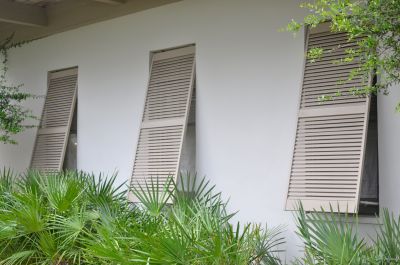
Ways to make Storm Restorations work in tight or awkward layouts.

Popular materials for Storm Restorations and why they hold up over time.
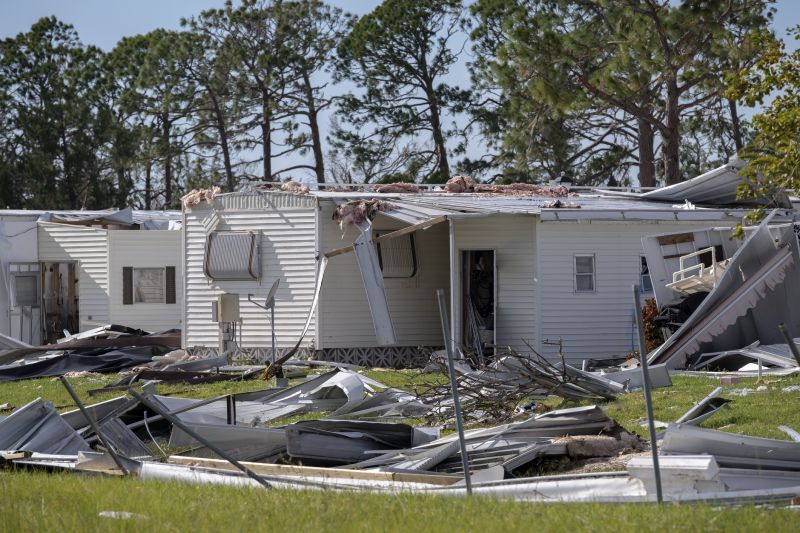
Simple add-ons that improve Storm Restorations without blowing the budget.

High-end options that actually feel worth it for Storm Restorations.
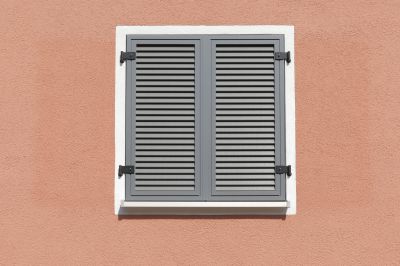
Finishes and colors that play nicely with Storm Restorations.

Little measurements that prevent headaches on Storm Restorations day.
Storm restorations involve repairing and restoring properties affected by severe weather events such as high winds, hail, and heavy rainfall. Effective restoration requires timely intervention to prevent further damage, restore structural integrity, and improve resilience against future storms. Statistics indicate that early response to storm damage can reduce repair costs by up to 30% and significantly decrease the risk of secondary issues like mold or rot.
Proper planning and execution of storm restorations are crucial, especially in regions prone to frequent storms. Advances in materials and techniques have improved the durability and longevity of restorations, making them a vital component of property maintenance in storm-prone areas.
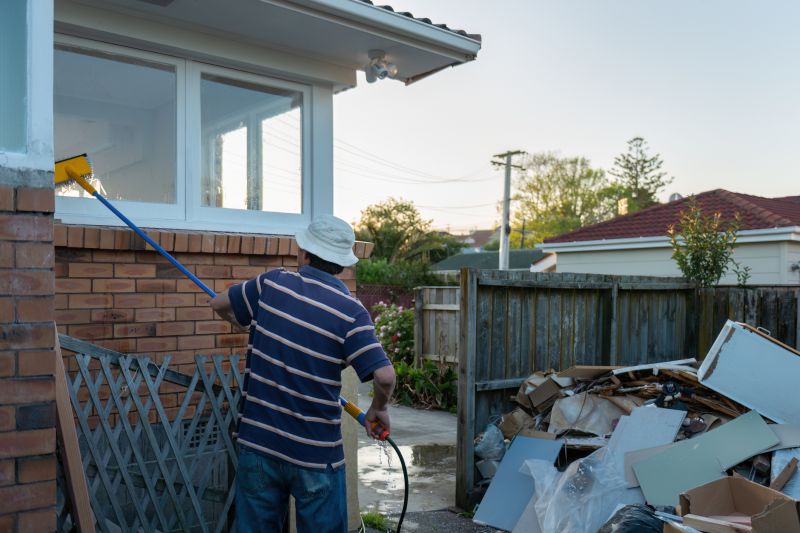
A 60-second routine that keeps Storm Restorations looking new.

A frequent mistake in Storm Restorations and how to dodge it.

Small tweaks to make Storm Restorations safer and easier to use.
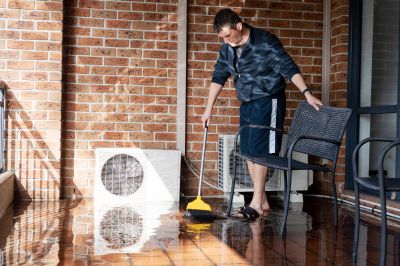
Lower-waste or water-saving choices for Storm Restorations.
| Storm Season | Ideal Restoration Period |
|---|---|
| Spring | Late spring to early summer |
| Summer | Late summer to early fall |
| Fall | Early fall before winter storms |
| Winter | Limited, primarily emergency repairs |
| Regional Variations | Dependent on local storm patterns |
Planning storm restorations during optimal times can minimize disruptions and ensure high-quality repairs. Proper timing also allows for thorough inspections, quality workmanship, and longer-lasting results. In regions with unpredictable storm activity, maintaining flexibility and readiness is essential for effective damage management.